China With Kids: A Realistic Guide to Trains, Tickets and Pacing
China works well for families when you stop trying to see everything: one anchor sight a day, a hotel near a metro interchange, and tickets booked before you fly. This guide covers the ages that travel easiest, stroller realities on metro systems, the age-based child ticket rules for trains, high-speed rail luggage and seating, which sights reward the effort and which routes to skip with young children, food and allergy planning, toilets and baby facilities, and the medical backup every family should carry. It also flags the routes that look good on paper but fail on the ground. Rules and fares are current as of October 2026.
The short version
- Plan one anchor sight per day and protect a midday break; the pace is the itinerary
- China Railway child tickets are age-based: under 6 free without a seat (declare the child on 12306), 6 to under 14 at a child fare, 14 and over full price
- Not every metro station has a working elevator; bring a compact stroller plus a carrier and use barrier-free routes
- Do not assume foreign-passport children enter the Forbidden City free; the under-18 waiver is for Chinese citizens and requires a reservation
- Skip Zhangjiajie, Huangshan, and high-altitude routes with young children; save them for a trip when everyone can handle stairs and thin air
Traveling in China with children is less exotic than it sounds. The infrastructure is modern, the food is noodle-and-rice friendly, and Chinese families travel constantly, so a child in a restaurant or on a train is normal rather than remarkable. What breaks family trips is over-scheduling. The successful version is one big sight a day, a real midday break, and a hotel close enough to the metro that a meltdown does not become a logistics crisis. The rules below are current as of October 2026; verify child policies on each official booking page before you pay.
Which Ages, and Which Kids, Do Best
Babies under 12 months are often easier than expected: they sleep on the move, attract goodwill, and do not negotiate. Toddlers aged two to four are the hardest age group, because they want to walk at exactly the wrong moments, need naps, and cannot be reasoned with in a queue. Ages six to twelve hit the sweet spot: old enough to walk a museum for two hours, young enough to be delighted by pandas, cable cars, and high-speed trains. Teenagers often want more say in the plan, so give them one city or one activity to own.
Build the trip around one anchor per day, then add only what is within a 15-minute walk or one metro stop. A realistic day looks like: leave at 8:30, do the big sight until 11:30, eat lunch, return to the hotel or a park until 15:30, then a low-stakes neighborhood walk and an early dinner. This is not a compromise; it is how you get a second good day tomorrow.
Do this before booking flights: write the trip as a list of one anchor per day and circle two days with nothing scheduled. If the list has more than one major sight per day, cut it now, not at the hotel desk.
Strollers, Metro Elevators and the First Day
Chinese metros are cheap, fast, and signed in English, but they are not uniformly stroller-friendly. Newer lines usually have elevators; older stations and some exits still have stairs or escalators only. Shanghai is retrofitting elevators station by station, with a target of more than 80% self-service coverage by the end of 2028, which tells you the network is not there yet in 2026. Beijing has the same pattern: some interchange stations have a single accessible elevator, sometimes far from the exit you want.
The workable setup is a compact stroller under about 7 kg plus a soft carrier. Use the carrier for stairs, crowded markets, and the Great Wall; use the stroller for airports, museums, and flat lakeside walks. At metro stations, look for the blue-and-white barrier-free (无障碍) signs rather than a generic elevator icon, and ask staff if the elevator is behind a service door. Use the wide accessible gate; staff will usually wave a stroller through.
Avoid rush hour (roughly 7:30–9:00 and 17:00–19:00) with a stroller, and avoid giant double-wide strollers entirely. They do not fit escalators, station elevators, or the aisles of older restaurants. Also check your hotel’s entrance: a charming hutong courtyard may have a step and a narrow door that turns every return into a lift.
Do this on arrival day: open your metro app or Amap, check the barrier-free exit for the station nearest the hotel, and walk the route once without luggage. Confirm the elevator works and note the exit letter. That 20-minute test saves a bad first evening.
Child Tickets: Trains, Sights and the Rules That Trip You Up
China Railway tickets are now age-based, not height-based. A child under 6 travels free without a seat, one per adult, but the child must be declared in the 12306 app before travel. If the free child needs a seat, buy a child ticket. Ages 6 to under 14 buy a child ticket; 14 and over pay full price. The discount is usually 50% for second and first class on high-speed trains, but business class is discounted less and sleepers have their own rules, so check the fare shown at booking rather than assuming exactly half. Children under 14 generally cannot travel alone.
Attractions mix age and height rules, and this is where families get surprised. Chengdu’s panda base admits children aged 6 and under, or 1.3 m and under, free, with half-price tickets for older children; bring the child’s passport. Shanghai Disneyland uses age: children 3 to 11 buy a child ticket, under 3 enter free, and tickets are tied to the passport used at booking. The Forbidden City is the big trap: the under-18 free ticket is for Chinese citizens (and foreign residents with Chinese permanent residence) and requires a ¥0 reservation, so a foreign-passport child should expect to need a paid ticket. Check the Palace Museum’s official mini-program with the child’s passport details rather than relying on a blog.
Do this before departure: create a note with each child’s passport number and date of birth. Add the child as a passenger in 12306 and as a traveler in Trip.com. Then, for every timed attraction, screenshot the official rule and the booking confirmation. If the child’s passport expires during the trip, renew it first.
High-Speed Rail With Kids: Seats, Luggage and Station Time
High-speed rail is the best family transport in China: no airport transfer, room to walk, and a train every few minutes on busy routes. The luggage allowance is 20 kg per adult and 10 kg per child, with each item limited to 130 cm total dimensions on high-speed trains. Folded strollers and wheelchairs travel free and do not count toward the allowance. In practice, one suitcase per adult plus a stroller and a small backpack is manageable; more than that turns every station transfer into a porter job.
Book the whole family in one order so the system seats you together. If the app splits you across cars, ask station staff at the service desk; families with young children are often helped, and many stations run priority lanes. Arrive 45–60 minutes before departure at big stations, because security, the walk to the gate, and the elevator queue with a stroller take longer than the map suggests. Boarding stops about five minutes before departure, so do not cut it close.
Do this when tickets release: book at the 15-day mark, choose seats together, and add the free under-6 child in the same order. Verify the child’s name appears on the ticket; a free child without a declaration can be a problem at the gate.
Sights Worth the Effort, and Routes to Skip
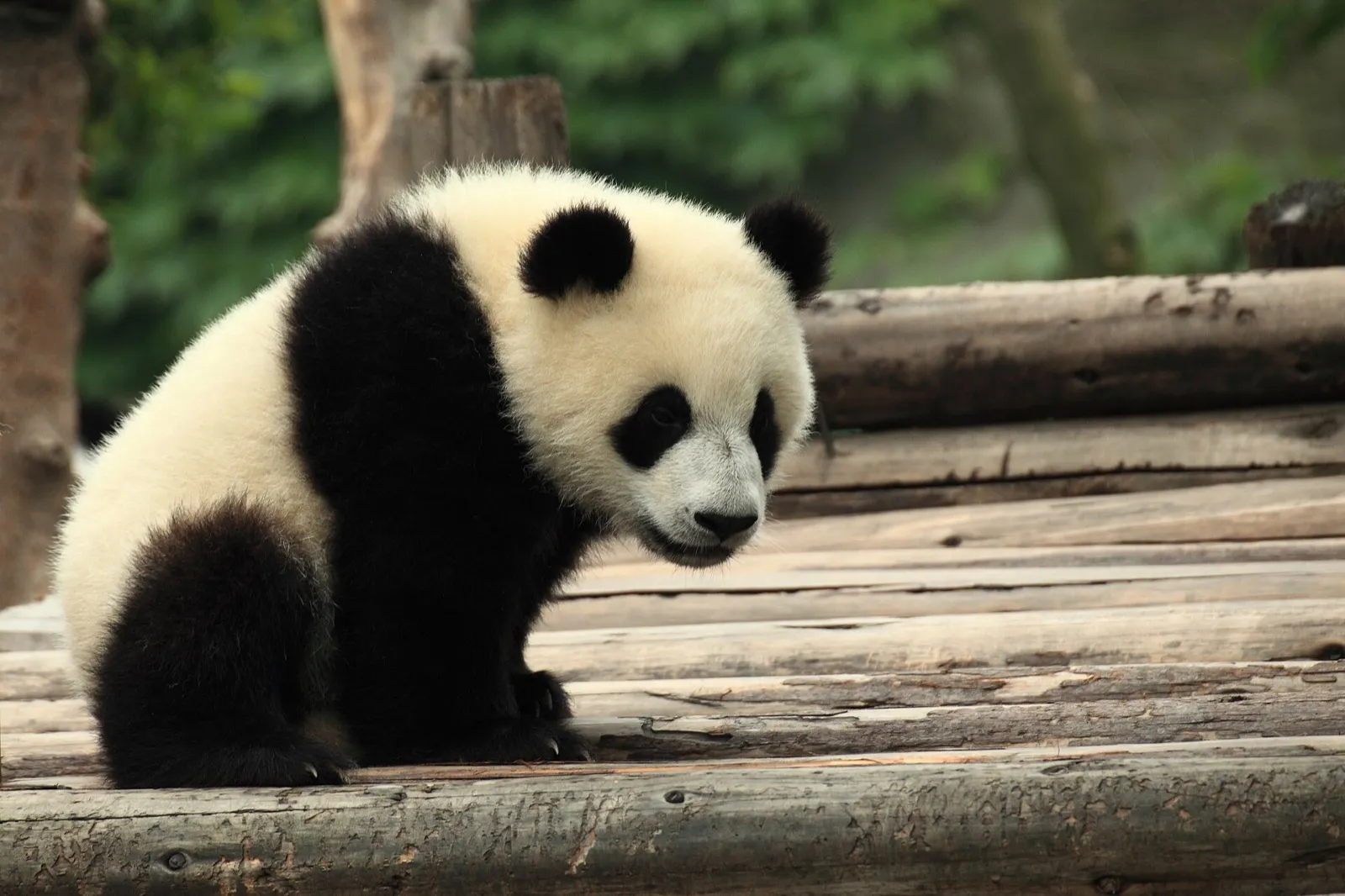
The family hits are reliable: the Great Wall at Mutianyu (cable car up, toboggan down if heights allow), the Forbidden City in a two-hour dose, the Temple of Heaven park, the Chengdu panda base at opening, Shanghai Disneyland, and Hong Kong’s Peak Tram and Star Ferry. The panda base is a morning activity; the bears move early and retire to air conditioning by late morning. Book timed entries for the Forbidden City and the panda base, and buy Disney tickets for a specific date.
Some routes are not worth forcing with young children. Zhangjiajie and Huangshan are stair-and-cable-car landscapes where the main viewpoints still require hundreds of steps; a stroller is useless and a tired four-year-old is dangerous on wet stone. Lhasa and Jiuzhaigou involve altitude that young children cannot reliably communicate about. Harbin in deep winter is a genuine cold-safety exercise, and Chongqing’s vertical streets punish strollers. Dunhuang’s long desert drives are better for older kids. Save these for a trip when everyone can carry their own water.
Do this for each outdoor day: check the weather at 7 a.m., pick the indoor backup first, and tell the kids the plan. A museum, an aquarium, or a mall play area is not a failure; it is the reason the next day works.
Food, Toilets and Medical Backup
Chinese food is family-friendly if you order deliberately: noodles, dumplings, rice, steamed buns, roast meats, and stir-fried vegetables are everywhere. Children’s menus are rare, high chairs are not guaranteed, and “not spicy” means 不辣 (bù là), not mildly spiced. Carry a written allergy card with the allergen in Chinese and the words 严重过敏 (severe allergy); show it at the table before ordering. Bottled or boiled water only. Supermarkets and convenience stores stock familiar snacks, but bring any specific baby food or formula you rely on.
Toilets are the other daily reality. Squat toilets are common in parks, older attractions, and small restaurants; carry tissues, wipes, and hand sanitizer. Baby-care rooms (母婴室) are standard in airports, big train stations, modern malls, and many metro stations, and high-speed trains have changing tables in the accessible carriage. When in doubt, use the mall or hotel lobby.
Medical backup is non-negotiable. Buy travel insurance that covers children and medical evacuation, save 120 (ambulance) and your hotel’s address in Chinese, and note the nearest international clinic in each city. Bring children’s fever and rehydration supplies in the original packaging, with dosing instructions. If a child has a chronic condition, carry a letter from your doctor and the medication in your hand luggage.
Common Mistakes
- Assuming the Forbidden City is free for your foreign-passport child. The under-18 waiver targets Chinese citizens. Reserve a paid ticket and verify on the official mini-program.
- Forgetting to declare a free under-6 child on 12306. The child needs to be linked to the adult ticket before travel.
- Buying tickets for the wrong age band. Rail is age-based; attractions vary between age and height. Check the official page for each one.
- Packing a giant stroller. Bring a compact one plus a carrier; station elevators and restaurant aisles are not built for double-wides.
- Scheduling two major sights a day. The second one is usually a meltdown with a ticket attached.
- Skipping travel insurance because public care is cheap. Children’s hospital visits, evacuation, and cancelled days are exactly what insurance is for.
- Treating a mountain itinerary as a family itinerary. Zhangjiajie, Huangshan, and high-altitude stops need older legs and lungs.
- Running out of wipes and tissues. Pack more than you think; squat toilets and street food do not provide them.
Sources & verification (10)
- https://www.beijing.gov.cn/gate/big5/www.beijing.gov.cn/fuwu/bmfw/sy/jrts/202606/t20260601_4678156.html
- https://us.trip.com/guide/train/china-high-speed-rail-child-ticket.html
- https://www.12306.cn/en/faq.html
- https://kyfw.12306.cn/otn/gonggao/luggage.html
- https://m.panda.org.cn/yd/service/ticket/
- https://www.shanghaidisneyresort.com/en/faq/
- http://www.dpm.org.cn/singles_detail/257830.html
- https://roamingcrew.com/shanghai-stroller-friendly/
- https://www.babagoeschina.com/traveling-china-with-a-baby/
- https://www.travelchinaguide.com/cityguides/beijing/forbidden.htm