Xinjiang Travel Guide: North, South and the Rules in Between
Xinjiang is China at its most Central Asian: Uyghur bazaars in Kashgar, Kazakh pastures around Sayram Lake, lodgepole forests and glacier-fed lakes in the Altai, and a security rhythm that shapes every day on the road. This guide explains the visa and border-permit rules, which regions are open to foreign travelers, the best months for each corner, how to move between the north and south, what permits Tashkurgan and the Pamir require, and the practical habits — passport checks, blocked apps, Beijing-clock evenings — that keep the trip smooth. It also flags the routes and sites that are currently closed to foreigners. Details are current as of November 2026.
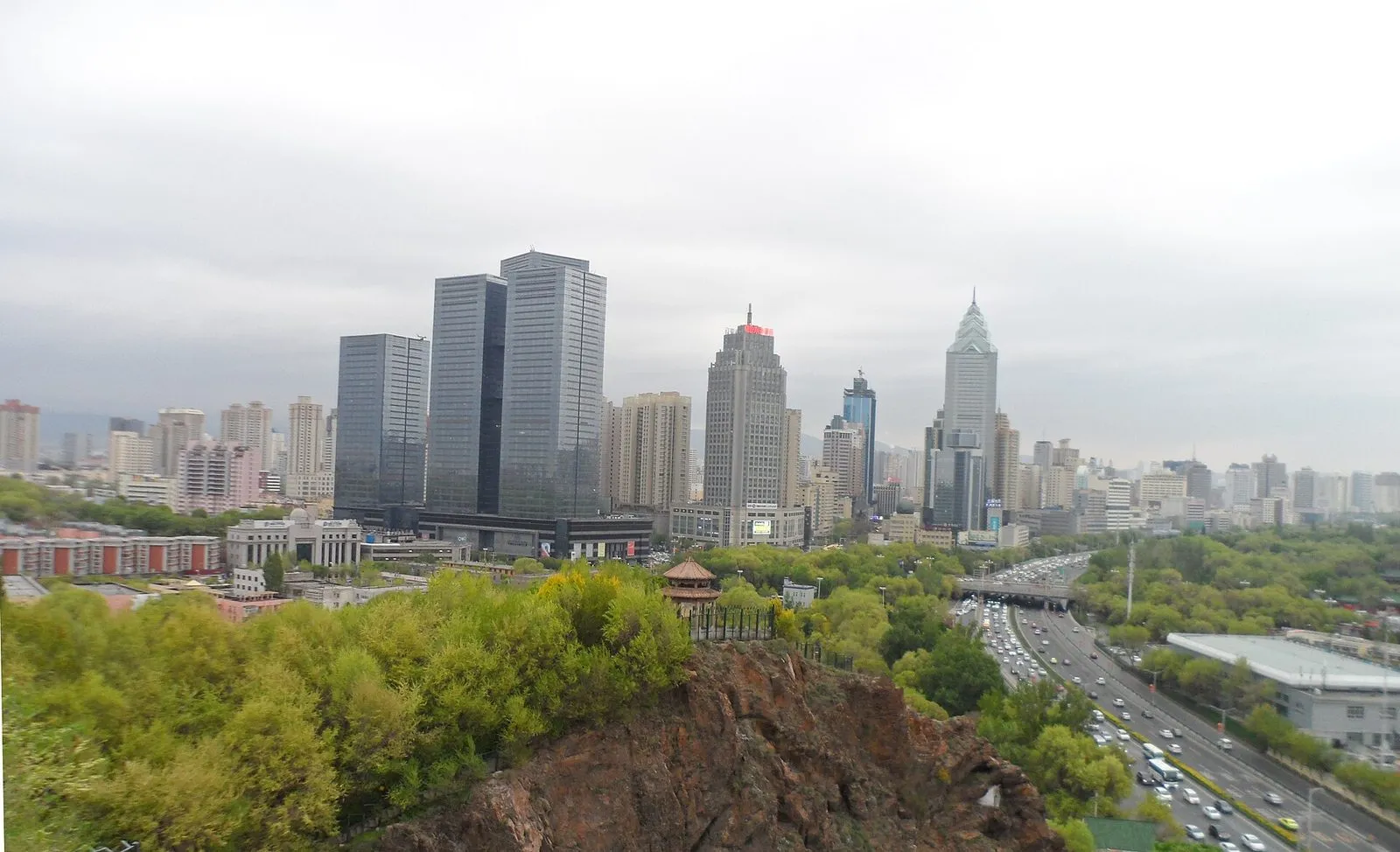
The short version
- Xinjiang has no separate visa: your China visa or 30-day visa-free entry covers it, but the 240-hour transit scheme does not include Xinjiang
- Some border counties need a Chinese border-area permit; foreigners apply in person at a county-level exit-entry office, and Khunjerab and Baihaba are currently closed to foreign tourists
- The north and south are two different trips: Altai autumn peaks in mid-to-late September, Ili lavender in June and early July, and Kashgar is best in spring and autumn
- Distances are enormous and flights are seasonal — the Urumqi–Burjin/Kanas flight generally runs June to October only
- The Duku Highway is open to foreigners only on its northern Dushanzi–Nalati section; do not plan a through-route to Kuqa
Xinjiang is the size of Western Europe and behaves like it. The north is Altai forest, glacier lakes and Kazakh pasture; the south is oasis cities, Uyghur bazaars and the Pamir plateau; between them lie hundreds of kilometers of desert and mountain that turn a short-looking route into a full day. The travel rules are equally distinctive: passport checks are routine, some border counties need a permit, and a handful of famous places are closed to foreign visitors. Get the permits and the geography straight, and Xinjiang rewards you with some of the most varied travel in China. Details are current as of November 2026.
Visa and Permits: What Foreigners Need
Xinjiang has no separate visa. Your China visa, or the 30-day visa-free entry if your nationality qualifies, covers the region. The 240-hour visa-free transit does not include Xinjiang, so do not try to use it here. Check your nationality on the visa-free entry guide before booking anything that crosses the authorization’s December 31, 2026 end date.
Separately, some border counties require a Chinese border-area permit (边境管理区通行证). Since 15 April 2026 the permit is electronic, but the foreigner process still means showing up in person at a county-level or higher public security exit-entry office with your passport, valid visa, accommodation registration slip and a photo. It is normally free, issued the same day, valid for one to three months, and lists the counties you may visit.
Plan around these current closures:
- Tashkurgan county, Karakul Lake and the road toward Khunjerab need the border permit, arranged in Kashgar. Tashkurgan town sits around 3,100 meters; Karakul is about 3,600.
- Khunjerab Pass itself is closed to foreign tourists. The last legal viewpoint is in the Tashkurgan area; do not buy a tour that promises the gate.
- Baihaba village is effectively closed to foreigners. Kanas and Hemu are open and do not require a border permit.
- The Duku Highway’s central and southern sections are closed to foreign travelers. Only the northern Dushanzi–Nalati stretch is open; a through-drive to Kuqa is not available to you.
Confirm before you commit: call 12367 or ask a licensed operator which counties are open on your dates. Border rules can change with little notice, and a permit issued for one county does not cover the next.
Security, Connectivity and Everyday Reality
Expect frequent ID checks at train stations, hotels, malls, scenic areas and highway checkpoints. Carry your passport and visa or entry slip physically, not in checked luggage. Hotels that accept foreigners are concentrated in the three-star-and-up range; confirm in writing that your booking accepts foreign passports before you pay.
The internet is filtered across Xinjiang, and Google, WhatsApp, Instagram and YouTube do not work without a VPN or an international roaming eSIM configured before arrival. Local SIMs do not bypass this. Load maps, translation, Didi and payment apps at home; Alipay and WeChat Pay work with foreign cards, but keep cash for small vendors and rural stops.
Xinjiang runs on Beijing time but lives about two hours later. In summer, Urumqi’s sunset lands around 22:00–22:30 and Kashgar’s later still; dinner at 21:00 is normal, and breakfast at 9:00 is early. In winter it flips: sunrise can be near 9:00–10:00 and darkness arrives by 18:00–19:00. Build your day around the sun, not the clock on the wall.
When to Go, North and South
North Xinjiang (Altai: Kanas, Hemu, Burjin). The autumn window is the headline: foliage typically peaks around 18–30 September, with the regional meteorological forecast pointing to roughly 15 September–5 October in 2026. Nights approach freezing, so pack a real jacket. After the National Day holiday, the first three weeks of October are quieter and cheaper. Summer is green and busy; winter turns the valleys into a snow destination.
Ili Valley (Sayram Lake, Yining, Nalati). Late June to mid-July is the classic grassland and lavender window, with lavender peaking around 18 June–5 July. September is quieter and golden.
Turpan. April–May and September–October. Summer routinely runs 35–50°C; if you go then, do the ruins at opening and stay indoors at midday.
Kashgar and the Pamir. April–May and September–October are the comfortable months; the Pamir road is generally best May–October. Winter is cold and some high routes close.
Getting Around
Fly into Urumqi (URC). The city’s airport has the region’s widest network, including international flights to Central Asia. From there, the choices are high-speed rail, short flights and long road transfers.
- Urumqi–Turpan: about one hour by D train, or roughly 2.5 hours by road. This is the easy day trip.
- Urumqi–Kashgar: about two hours by air; the train is a 14–16 hour overnight, with faster services around 11.5 hours. Fly unless the overland leg is the point.
- Urumqi–Burjin/Kanas (KJI): a seasonal flight, generally June–October, about 1.5 hours. It saves a very long drive but still leaves a road transfer to Hemu or Kanas. Book early for September.
- Yining: flights to Urumqi take about 1.5 hours; the train is five to six hours.
Self-driving is not straightforward. China does not recognize an International Driving Permit. You can apply for a temporary Chinese license with your passport, home license, a notarized Chinese translation and a photo, but foreign travelers driving independently in Xinjiang are often required to use a licensed agency or guide. For most visitors, a driver-guide or a small private tour is the practical answer.
North or South?
Choose the north for landscapes: Kanas and Hemu’s forests, Sayram’s blue water, Nalati’s grasslands, and the Altai in autumn. It is the easier first Xinjiang trip and the one that pairs naturally with Urumqi.
Choose the south for culture and the high Pamir: Kashgar’s old city and Sunday livestock market, Id Kah Mosque, the Karakul Lake road and Tashkurgan. It needs more permit planning and a higher tolerance for long drives.
Do not try to combine both in one short trip. The distances are too great; a week in each is a better shape than ten days across the whole region.
Food and Etiquette
Xinjiang’s food is one of the reasons to come: pilaf (polo), hand-pulled noodles (laghman), baked samsa, naan, lamb skewers, big-plate chicken, and fruit that tastes like the sun — grapes, Hami melon, apricots and raisins.
Most Uyghur and Kazakh restaurants are halal. Do not bring pork or alcohol into a halal restaurant or a family home, do not offer alcohol to devout hosts, and use your right hand when eating or passing food. Break naan rather than biting it whole, do not place it face-down, and wait for the host to start. Ask before photographing worshippers or women; a smile and a gesture toward your camera is usually enough. In Han Chinese restaurants and hotel bars, alcohol is normal — read the room.
Common Mistakes
- Assuming the border permit is issued automatically. It is a separate in-person application, county-specific, and not every county is open.
- Booking a Khunjerab or Baihaba tour. Both are closed or effectively closed to foreign travelers; a tour that promises them is selling something it cannot deliver.
- Planning a Duku Highway through-route. Only the northern section is open to foreigners; return via Yining instead.
- Underestimating the transfers. A 600-kilometer day is normal on the north loop. Build rest days and do not chain late arrivals with early starts.
- Relying on Google Maps or WhatsApp. Neither works without preparation; set up Amap, a VPN or roaming eSIM, and offline maps before you land.
- Treating a 21:00 dinner as late. In Xinjiang it is normal; restaurants may not even be busy until then.
- Ignoring the altitude on the Pamir. Karakul and Tashkurgan sit above 3,000 meters; go slowly and do not rush the first day.
Sources & verification (15)
- https://www.travelchinaguide.com/cityguides/xinjiang/urumqi/getting-there.htm
- https://www.chinadragontours.com/xinjiang-foreign-visitor-travel-self-drive-permits-restricted-area-guide.html
- https://www.xinjiangtraveltips.com/xinjiang-border-pass-permit-tashkurgan-guide/
- https://www.xinjiangtraveltips.com/duku-highway-season-driving-tips/
- https://www.xinjiangroadtrip.com/xinjiang-road-trip-10-days/
- https://www.travelchinaguide.com/cityguides/xinjiang/best-time-to-visit.htm
- https://www.travelchinaguide.com/attraction/xinjiang/urumqi/tianchi.htm
- https://www.travelchinaguide.com/china-trains/urumqi-schedule.htm
- https://www.xinjiangtraveltips.com/xinjiang-halal-food-etiquette-guide/
- https://www.xinjiangtravel.org/xinjiang-travel-advice/xinjiang-travel-faqs
- https://www.travelchinaguide.com/attraction/xinjiang/urumqi/kanasi.htm
- https://www.xjfn.com.cn/post/187.html
- https://www.xinjiangattractions.com/xinjiang-autumn-foliage-calendar
- https://www.xinjiangtravel.org/xinjiang-travel/xinjiang-lavender-trips
- https://www.xinjiangroadtrip.com/xinjiang-driving-license-foreigners/