Yangtze River Cruise: Three Gorges from Chongqing to Yichang (2026)
A Three Gorges cruise is the slowest — and some would say most civilized — way to travel between Chongqing and Yichang: three or four nights drifting past cliff-walled gorges, shore excursions to ghost-city temples and side-stream gorges, and a close-up look at the Three Gorges Dam, the largest power station on earth. This guide explains how the route works, which ship tiers are worth their price gaps as of September 2026, what is actually included versus upsold, how boarding works with a foreign passport, the best seasons, and an honest verdict on whether the cruise deserves a slot in your itinerary.
The short version
- The classic route is Chongqing to Yichang downstream — 4 days and 3 nights, with upstream sailings taking an extra night
- Ships split into three tiers as of September 2026: mainstream Chinese fleets from roughly US$400, premium international ships from US$600, and boutique vessels like the 148-passenger Yangtze Explorer from US$1,500
- Your passport is your ticket: boarding is real-name, ships depart from Chaotianmen Dock in Chongqing, and you should arrive at the dock hours early
- Cruise fares normally include cabin, meals, and the standard shore excursions — drinks, Wi-Fi, and premium excursions cost extra
- Best windows are April–May and September–October; the cruise suits slow-paced itineraries, not travelers racing between cities
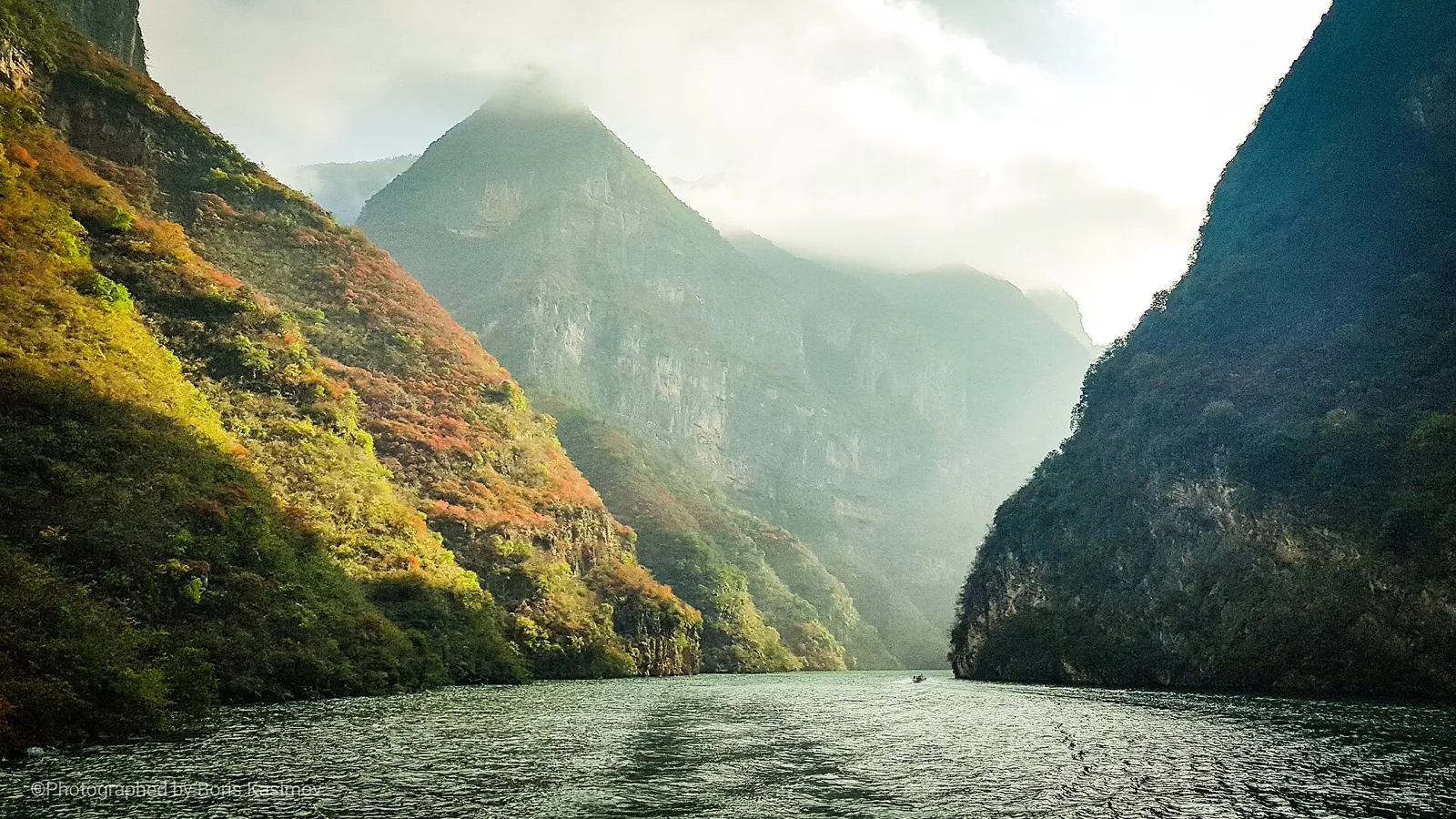
Between Chongqing and Yichang, the Yangtze cuts through three of the most storied gorges in Chinese landscape — Qutang, Wu, and Xiling — and for foreign travelers, a cruise is the only practical way to see them from the water. The experience sits somewhere between sightseeing and slow travel: days spent on a balcony watching limestone walls slide past, afternoons ashore at temples and side gorges, and an engineering spectacle at the Three Gorges Dam that you can neither fully grasp nor ignore. It is not wilderness — this is a working river with cities on its banks — and it is not the cheapest transfer between two cities. But done on the right ship in the right season, it is one of the more memorable ways to move through China. Here is how to book it well, as of September 2026.
The Route: Why Chongqing to Yichang
Nearly all foreign travelers sail the ~600-kilometer sector between Chongqing and Yichang, and most sail downstream: boarding at Chaotianmen Dock in Chongqing, riding the current for 4 days and 3 nights, and finishing below the dam near Yichang. Upstream sailings cover the same water in reverse in 5 days and 4 nights — the extra night is simply the cost of pushing against the current. Reputable operators do not sell 3-night express versions of the route; if you see one, it skips the dam passage or the gorges, which defeats the purpose.
The direction choice matters less than what the route connects. Downstream drops you in Yichang, a city with high-speed rail and airports but little else for tourists; upstream starts in Chongqing, one of China’s great eating cities. Practically, most itineraries pair the cruise with Chengdu (pandas) before or after, via Chongqing. Our Chongqing destination guide covers the boarding city; the rail options for getting onward from Yichang are in our trains guide.
Choosing a Ship: Three Tiers, Big Price Gaps
“Yangtze cruise” covers a wide spread of ships, and the fare gap buys you fewer passengers, bigger cabins, and better food. Broad tiers as of September 2026, per person in a main-deck twin cabin:
| Tier | Example fleets | Typical per-person fare |
|---|---|---|
| Mainstream Chinese fleets | President, Yangtze Gold, Victoria Cruises | from roughly US$400–700 |
| Premium international | Century (New Century), Yangtze Premier | from roughly US$600–1,000 |
| Boutique luxury | Yangtze Explorer (~148 passengers), new Vista-series ships | from roughly US$1,500+ |
Those bands come from current published listings — mainstream fleets advertise from around US$429–699, premium ships from the mid-US$600s, and the Explorer from around US$1,509 — and higher decks, suites, and single supplements push all of them upward. The workable rule of thumb: the mainstream tier is comfortable enough for most people, with private balcony cabins now standard across the fleets worth booking; the premium tier is noticeably better catered and better guided; the boutique tier is for travelers who want the river at its quietest. Note that new tonnage keeps arriving — a Vista-series fleet made its maiden voyage in April 2026 — so recent reviews beat old reputations when you compare.
The Passage: Gorges, Dam, and Shore Excursions
The spine of the trip never changes: the three gorges, longest and famously the most dramatic last, as the river narrows toward Qutang. Layered on top:
- The Three Gorges Dam passage. Your ship descends roughly 100 meters past the dam — through the five-stage flight of locks (a process usually measured in hours, often at night) or via the enormous ship lift built for smaller vessels, which does the same job in a fraction of the time. Which one your ship uses, and when, depends on vessel size and scheduling — ask your operator before sailing if riding the locks is on your bucket list. Most cruises pair the transit with a shore visit to the dam itself, where the scenic area is free to enter (a sightseeing bus inside costs ¥35) with viewing platforms including the 185 Platform at dam-crest height.
- Side-stream excursions. The most loved outings trade the big ship for small boats: the Shennv Stream or Lesser Three Gorges trips, where motorized sampans carry you up turquoise tributaries narrower than the main river. These are usually included in the fare on decent ships.
- Temple stops. Depending on your ship: Fengdu Ghost City, the hillside temple complex of afterlife folklore; Shibaozhai, a 12-story red pagoda built against a rock outcrop; or the Qu Yuan Temple near the dam. Ships typically include one or two and offer others as optional paid excursions.
Read the inclusions list carefully — that is where ships differ more than in their cabins.
When to Go
The reliable windows are April–May and September–October: mild temperatures, decent visibility, and landscapes at their greenest after the spring rains or browning photogenically in autumn. Summer works but Chongqing routinely exceeds 35–40°C and the decks offer little shade; autumn colors are photogenic but the season is short; winter is cold, foggy, and quiet, with the lowest fares and thinnest crowds — some travelers love it, but pack for gray. One calendar rule overrides all of it: avoid Chinese public holidays — the October Golden Week fills ships and docks to capacity. Our best-time-to-visit guide lists the 2026 holiday dates to dodge.
Booking and Boarding: Practicalities for Foreign Visitors
Foreigners book the same ships the Chinese do, with a few practical differences:
- Book through a channel that handles passports. Trip.com sells individual sailings to foreign cardholders and is the easiest single-stop option; specialist agencies (TravelChinaGuide, China Discovery and similar) package sailings with transfers and land tours; some ships sell through their own official sites. If you want an English-speaking onboard program, confirm the ship caters to international guests before paying — the premium tiers do; some mainstream sailings are overwhelmingly domestic.
- Your passport is your ticket. Boarding is real-name: the booking is made under your passport number and checked at the dock, so carry the physical passport, not a photocopy.
- Arrive early at Chaotianmen Dock. Operators recommend reaching the dock several hours before departure; embarkation involves check-in, luggage handling, and a gangway queue. If you fly into Chongqing that morning, leave generous margin — the dock sits below the city at river level.
- Know what the fare covers. Cabin, full board, and the standard shore excursions are included on the international-facing ships; drinks (beyond tea and water), Wi-Fi (extra and unreliable anyway), spa services, and optional excursions are not. Special diets — vegetarian, salt-free, kosher — can be accommodated if requested in advance.
- Pick your deck, not just your ship. Fare differences between decks are real money; mid-ship cabins on lower decks are quieter and cheaper than upper-deck suites with the same view of the water.
Is It Worth It? An Honest Verdict
Be clear-eyed about what the cruise is: a pleasant, well-fed way to move between two cities through scenery that is dramatic in Qutang, lovely in Wu, and more subdued in the lower Xiling, where the reservoir raised the waterline. It is not a wilderness expedition, and the shore program is a mix of genuine highlights and tourist-theater — Fengdu is fun rather than profound. Do the cruise if you have 3–4 nights to give, want a rest day in the middle of a dense itinerary, are traveling in a season when the weather rewards deck time, or simply love being on boats. Skip it if you are counting days — flying Chongqing to Yichang takes about an hour — or if concrete dams and pagoda reconstructions leave you cold; the money is better spent on an extra day in Chengdu or Guilin. And if the gorges are your sole reason for visiting this corner of China, consider that the cheapest mainstream cabin delivers 90% of the same water-level views as the luxury tier.
Common Mistakes
- Booking a “2-night express” cruise. The route needs 3 nights downstream to include the dam passage and gorges properly; anything shorter cuts corners you came for.
- Assuming every shore excursion is included. Standard outings usually are; “optional excursions” are the ship’s upsell revenue. Check the list at booking, not onboard.
- Expecting the lock transit in daylight. Lock scheduling follows river traffic, not your photography plans — it frequently happens at night. Ask your operator how your sailing handles the dam.
- Leaving passport logistics to chance. Real-name boarding means no passport, no cabin. Do not check your passport into luggage or plan to board from the airport without stopping at the hotel.
- Cruising in Golden Week. Early-October sailings sell at peak fares with peak crowds; if your trip is fixed to that week, book months ahead and mentally discount the experience.
- Overpaying for deck grade. You spend gorges-hours on the top deck regardless of where your cabin is; a lower-deck cabin on a better ship beats a top-deck cabin on a worse one.
- Treating Yichang as a destination. Plan your onward train or flight for disembarkation evening or the next morning, and know that a mid-trip highlight like this pairs naturally with our Yangtze-adjacent city guides rather than standing alone.